
Sep 17, 2026Services Overview
Ultimate Sourcing Guide: How to Choose Compliant Stainless Steel Grease Traps & Sinks for Commercial Kitchen Projects
Discover key factors for selecting heavy-duty SUS304 grease traps, catering sinks, and bespoke fabrications to ensure local environmental compliance and long-term durability.
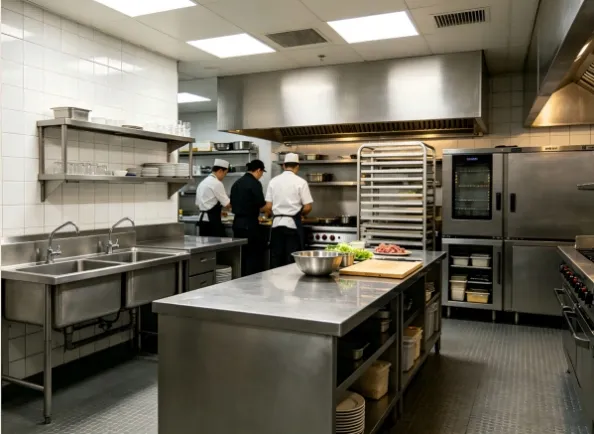
For commercial kitchen contractors, mechanical & electrical (M&E) engineers, and foodservice wholesalers, completing a turnkey kitchen project is always a race against time and budgets. Beyond selecting the right cooking appliances, two critical components often dictate whether a restaurant passes its local council inspections: efficient grease management and hygienic food preparation plumbing.
With municipal water authorities in markets like the UK (under EN 1825 standards) and Malaysia (local municipal DBKL codes) heavily penalizing venues for improper FOG (Fats, Oils, and Grease) disposal, choosing the right commercial grease traps and kitchen sinks is no longer a design preference—it is a legal obligation.
In this ultimate sourcing guide, we break down how to choose compliant, heavy-duty stainless steel solutions that secure smooth project approval and lifetime durability.
🔎 1. The Core of FOG Compliance: High-Efficiency Grease Interceptors
A commercial kitchen blockage can lead to catastrophic downtime and thousands of dollars in municipal fines. When sourcing grease traps for engineering projects, always look for three non-negotiable manufacturing criteria:
- Premium Material Grade: Commercial kitchen wastewater is highly corrosive due to acidic foods and chemical detergents. Ensure your grease interceptors are built from genuine food-grade SUS304 stainless steel. It delivers excellent rust resistance compared to cheap 201 alternatives.
- Airtight Odor Gaskets: Kitchen hygiene thrives on odor control. Premium grease traps must feature air-tight silicone sealing gaskets and secure heavy-duty latches to prevent foul sewer gases from entering food prep zones.
- Flexible Flow Rates (GPM/LPS): Kitchen projects vary wildly. Whether you are outfitting a small boutique café requiring a compact 4 GPM unit or a massive institutional canteen needing a heavy-duty 50+ GPM multichamber separator, your manufacturer should offer customized pipe dimensions and internal baffle structures to match specific hydraulic calculations.
🔎2. Commercial Stainless Steel Sinks: Form Follows Function
Handwash stations, pot washing basins, and mop cleaning zones form the backbone of everyday kitchen workflows. When sourcing catering sinks in bulk, smart buyers evaluate the structure and finishing:
- Plate Thickness Matters: Heavy-duty pots and continuous commercial operations demand 1.2mm to 1.5mm material thickness. Anything thinner will buckle, dent, or vibrate excessively under daily stress.
- Hygienic Rolled‑Edge Finishing: To prevent bacterial accumulation and ensure chef safety, high-end fabrication must utilize rolled-edge finishing on splicing surfaces. This delivers smooth, rounded edges that are easy to wipe down during deep cleaning cycles.
- Bespoke Deep-Bowl & Shapely Customization: Standard institutional sinks don't fit every irregular corner of old European or Southeast Asian buildings. Partnering with a manufacturer capable of producing customized special-shape requirements saves massive space and ensures ergonomic workflows.
➡️ Streamline Your Next Kitchen Project with Eversheen Kitchen Equipment Series
For more details on factory-direct pricing, low MOQ, and full custom solutions from Shandong Lead Kitchen - Eversheen Series, please visit www.eversheenkitchen.com