
Sep 10, 2026Services Overview
Commercial Kitchen Sinks & Fabrication: Why Material Grade and Welded Construction Define Project Lifespan
Learn how choosing genuine SUS304 and precision welding over mechanical joints saves long-term maintenance costs.
Commercial Kitchen Sinks & Fabrication: Why Material Grade and Welded Construction Define Project Lifespan
For food service consultants, turnkey kitchen contractors, and hospitality procurement managers, outfitting a high-volume commercial kitchen means balancing upfront budgets with long-term structural durability.
While cooking appliances often get most of the attention, the unsung workhorses of any back-of-house operation are stainless steel prep tables, custom catering sinks, and eco-friendly grease management equipment. In heavy-use environments such as international hotel kitchens, central food production facilities and school canteens, selecting low-grade or poorly fabricated steel products leads to premature dents, rust, and failed local authority inspections.
Here is why material quality and advanced welding techniques determine the service life of modern commercial kitchen installations.
1. The Chemistry of Durability: Genuine SUS304 vs. Low-Grade Alternatives
Commercial kitchens are highly corrosive environments. Stainless steel components are constantly exposed to organic acids from citrus and tomatoes, concentrated industrial detergents, high-temperature sanitising water, plus heavy impacts from pots and cast‑iron cookware.
When sourcing catering equipment in bulk, professional buyers focus on material composition:
- The Corrosion Shield: Genuine food‑grade SUS304 stainless steel has high chromium and nickel content, forming a self‑repairing passive oxide layer. It resists pitting corrosion and rust reliably, even with constant moisture in washing and food preparation areas.
- The Risk of Cheap Substitutes: Low‑cost 201 steel can cut initial spend, but in regulated markets such as the UK or Southeast Asia, these materials oxidise quickly. Unsightly rust spots will cause failures in official health and safety inspections.
2. Form Follows Safety: Rolled-Edge Finishing and Hygienic Design
Modern foodservice hygiene standards (such as NSF guidelines) require kitchen surfaces to be fully cleanable. Bacteria build up in tiny gaps created by poor manufacturing.
- Preventing Bacterial Accumulation: Premium steel fabrication uses precision rolled‑edge finishing on all joining surfaces. Smooth, rounded edges on tables and sink rims eliminate sharp raw metal corners that trap grease or injure kitchen staff.
- Ergonomic Custom Shapes: Institutional kitchen layouts vary greatly, especially during renovation projects in cities like London or Kuala Lumpur. Working with an OEM factory that can produce custom shapes allows contractors to wrap worktops around awkward structural pillars and optimise compact workspaces.
3. Fully Welded vs. Flat-Pack Assembly: Choosing the Right Framework
Your assembly choice affects shipping costs and site installation time, depending on your distribution channel and project schedule:
- Fully Welded Integrity: For premium institutional projects with zero compromise, fully welded units deliver maximum rigidity and no joint movement under heavy loads. They arrive on site ready for placement.
- Flat-Pack (Knocked-Down) Economy: For global distributors handling large inventories, precision-engineered flat-pack tables and shelves maximise container space. This can reduce ocean freight costs by up to 40%, while the units are easy to assemble using heavy-duty industrial interlocking joints.
Partner with Eversheen Kitchen
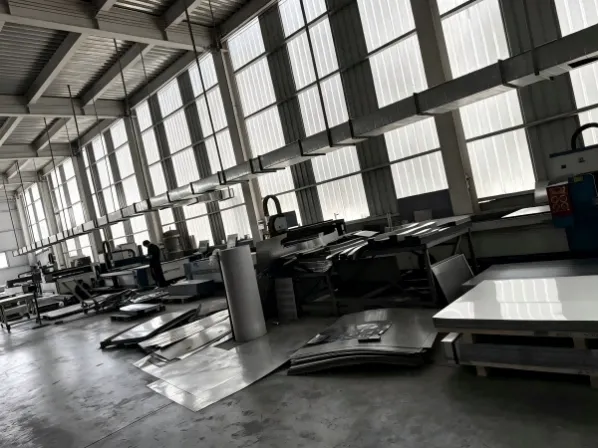
By working directly with our manufacturing facility, overseas distributors avoid middleman markups and gain access to products meeting international standards. Explore our full range of compliant commercial stainless steel solutions and technical datasheets at https://eversheenkitchen.com.